
3 Ways To Shop
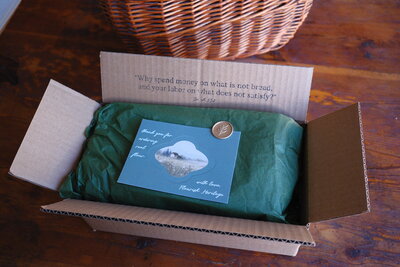
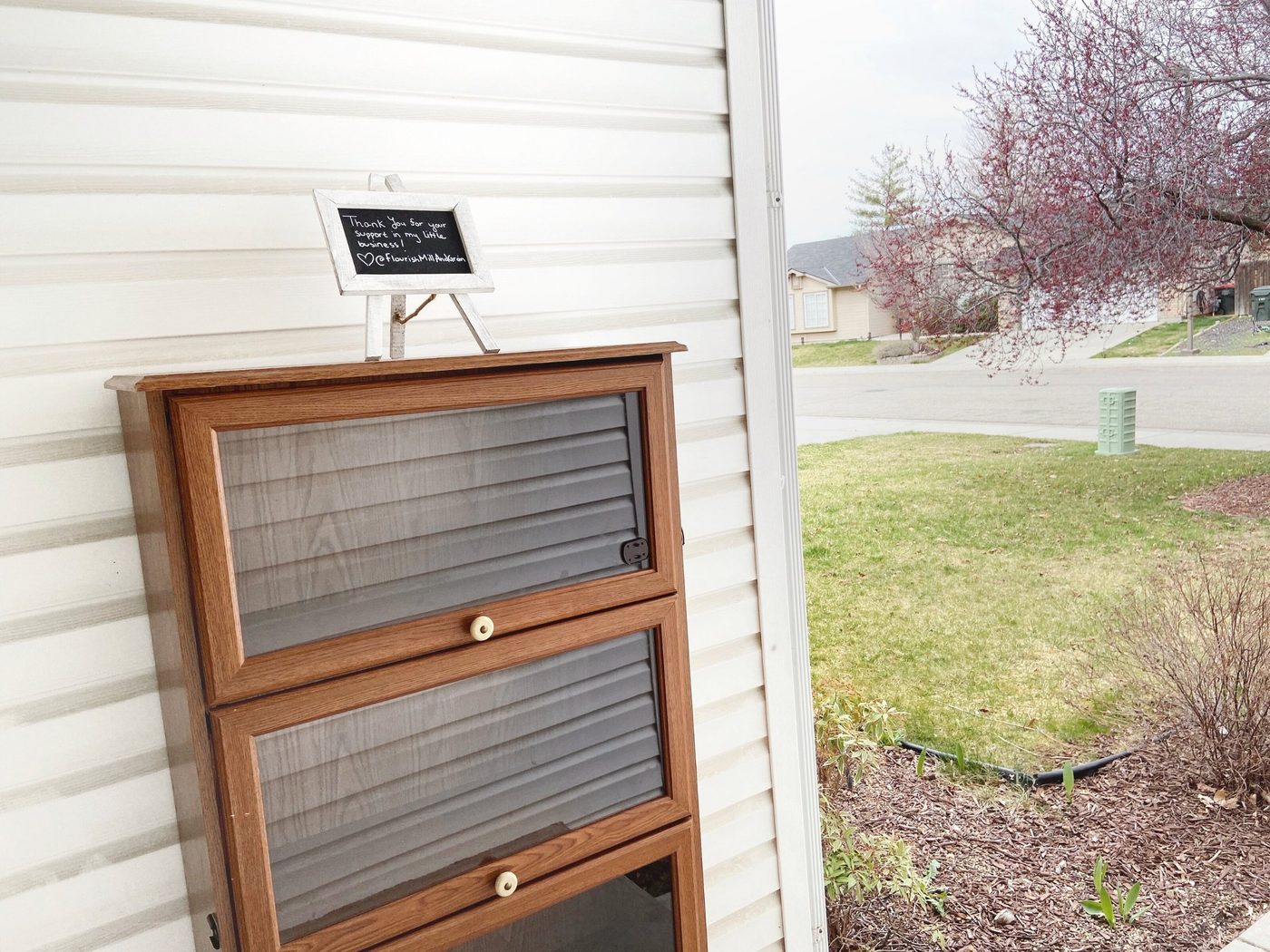

Ancient Grains,
Slow Stone Milled
like it should be
We mainly work with ancient grain varieties that have nourished generations—grains unchanged by industrial agriculture. We take those spray-free, regeneratively grown grains, slow mill them with a hand crafted stone mill, maintaining the whole grain and processing it into a fine flour.
All Of Our Flour Is...

Spray Free
Pesticide free
We only use spray free grain (no glyphosate or pesticides). Our flour is never bromated or bleached.

Whole Grain
Every part of the grain, freshly ground
We mill the entire wheat berry — bran, germ, and endosperm — to retain full nutrition and flavor.

Stone Ground
Milled slowly, the traditional way
Our mills use natural stone burrs to gently grind grain without overheating or damaging nutrients.

Never Enriched
No synthetic vitamins. No fillers
Unlike commercial flour, ours is never stripped and artificially rebuilt — it's naturally nutrient-dense.

Regeneratively Grown
Better soil, better grain, better future
We partner with farmers using regenerative practices that build soil health and restore ecosystems.

Milled to Order
Always fresh. Never sitting on a shelf.
We grind our flour in small batches each week to preserve nutrients and flavor.
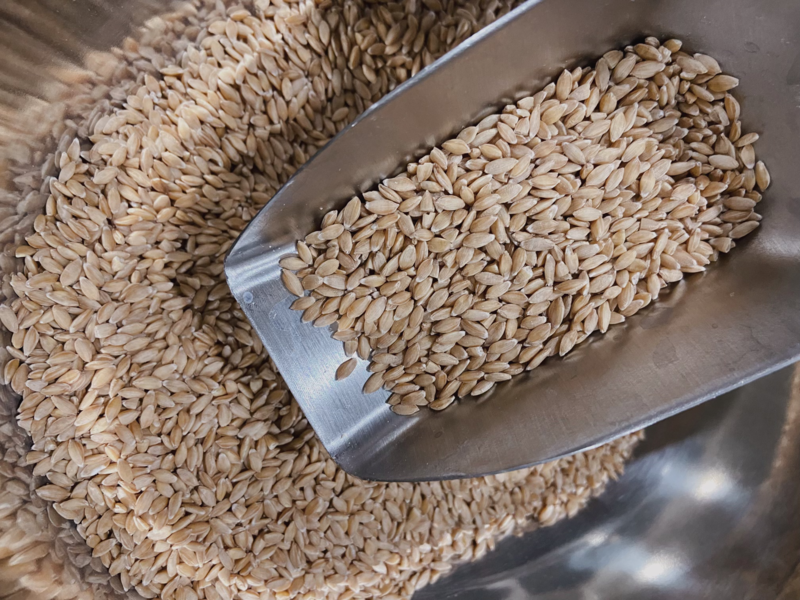
What makes freshly milled flour better?
When a grain kernel is milled, it releases its oils—the same oils that carry vitamins, antioxidants, and flavor. In commercial flour, these oils are removed because they cause flour to spoil. What remains is stable, but nutritionally hollow.
Freshly milled flour keeps everything: the germ (nutrition), the bran (fiber), and the endosperm (energy). This is flour as it existed for thousands of years before roller mills and chemical bleaching.
Real flour should be alive. It should smell sweet. It should spoil.
Freshly Milled Flour vs. Store-Bought Flour
| Nutrient | Freshly Milled Flour | Store-Bought Flour |
|---|---|---|
| Protein | ✅ 12-15% (Varies by grain) | ⚠️ Often lower due to processing |
| Fiber | ✅ High | ❌ Removed in white flour |
| Iron | ✅ Naturally Present | ⚠️ Synthetic iron added |
| Magnesium | ✅ 85-120mg | ❌ Mostly lost in refining |
| B Vitamins | ✅ Naturally occurring | ❌ Often stripped out |
| Folate vs Folic Acid | ✅ Folate (natural, bioavailable) | ⚠️ Folic Acid (Synthetic, Fortified) |
| Glyphosate (Pesticides) | ✅ None (in ours) | ⚠️ Often contaminated with glyphosate |
| Bleached Flour | ✅ None – 100% natural | ⚠️ May contain benzoyl peroxide, chlorine dioxide, & potassium bromate |
“Freshly milled flour retains 40 of the 44 essential nutrients!” Store-bought flour loses most of its vitamins and minerals due to processing. Choosing freshly milled flour means more nutrients, better digestion, and no harmful chemicals!
What industrial milling removes
Flour loses most of its benefits a few days after milling. Industrial milling practices remove the germ and bran (usually sell it off as animal feed) and only sell the starchy white endosperm to you.
86%
Vitamin E lost
90%
Vitamin B6 lost
85%
Magnesium
80%
Fiber lost
Frequently Asked Questions
Which flour type has the highest protein?
Einkorn has the highest protein and overall nutrients, however it has the lowest gluten which makes it the trickiest to work with. Einkorn is going to have a learning curve so be prepared for that. It is easier if you mix it with a higher gluten flour like Hard White.
Which flour type has the highest gluten?
Hard White has the highest gluten which is one of the reasons it's the easiest one to work with. After that is Khorasan and many people like combining both into recipes to get a variety of nutrients.
Is your flour organic? Does it contain glyphosate?
We get our grain from two suppliers, generally from Grand Teton Ancient Grains (in Idaho) and when they're out we get it from Janie's Mill. Both are organic and regeneratively grown.
What are the benefits of using freshly milled flour?
Freshly milled flour offers improved digestion, better flavor, absence of additives or preservatives, higher vitamin and mineral content, and provides both soluble and insoluble fiber.
How long does the flour last and how should I store it?
Freshly milled flour is best used immediately to take advantage of its full nutritional profile and flavor. If storage is necessary, keep it in an airtight container in the refrigerator for up to two weeks or freezer for up to 6 months, to prolong freshness. My goal is to teach you how to mill your own flour through our online workshops.
Which flour type should I pick if I'm just starting out?
It can be overwhelming to see all the different flour types which is why I'm selling pre-measured recipe mixes at the Nampa Farmers Market. These will include all the dry ingredients for a recipe, and a recipe card so you can get started easily. Other than that, I recommend starting with Hard White as it's most similar to all-purpose flour and works for pretty much every recipe.
Can I swap 1:1 for my regular recipes?
While you can try 1:1 for most recipes, there are some key things to keep in mind. The first being that you can't use cup measurements but instead you need to use grams. You also want to "autolyse" which is basically letting the flour soak up the liquids for at least 15 minutes before adding the rest of the ingredients. Some of my favorite recipes are from Grains in Small Places and Fresh Milled Mama.
The 5 Flour Types We're Offering
| Flour Type | Fiber | Iron | Magnesium | Highlights |
|---|---|---|---|---|
| Einkorn | 4g | 4-5 mg | 45–50mg | High in carotenoids, easier to digest |
| Rye | 4g | 4 mg | 50–55mg | High in manganese & B vitamins |
| Spelt | 4g | 3-4 mg | 100–130mg | Higher in selenium & zinc |
| Khorasan | 8-10g | 2-3 mg | 30–40mg | Excellent for gut health, high fiber |
| Hard white | 3-4g | 2-3 mg | 35–40mg | Best all-purpose for bread, fluffy texture |
*This chart is per 100g of flour. These are the highlighted nutrients but fresh flour includes 40 out of the 44 nutrients and vitamins our body needs.